
By: Andrew Williams
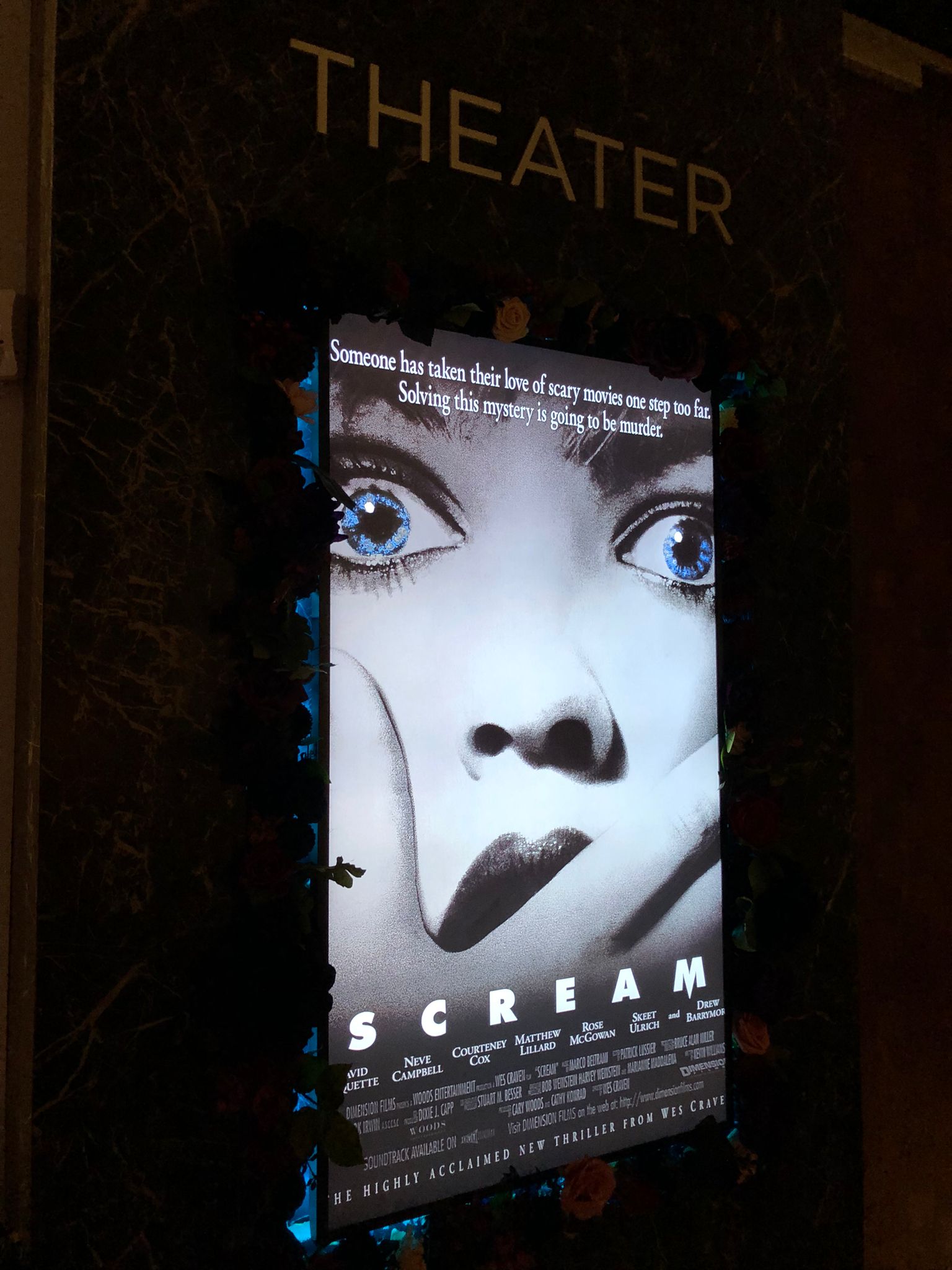
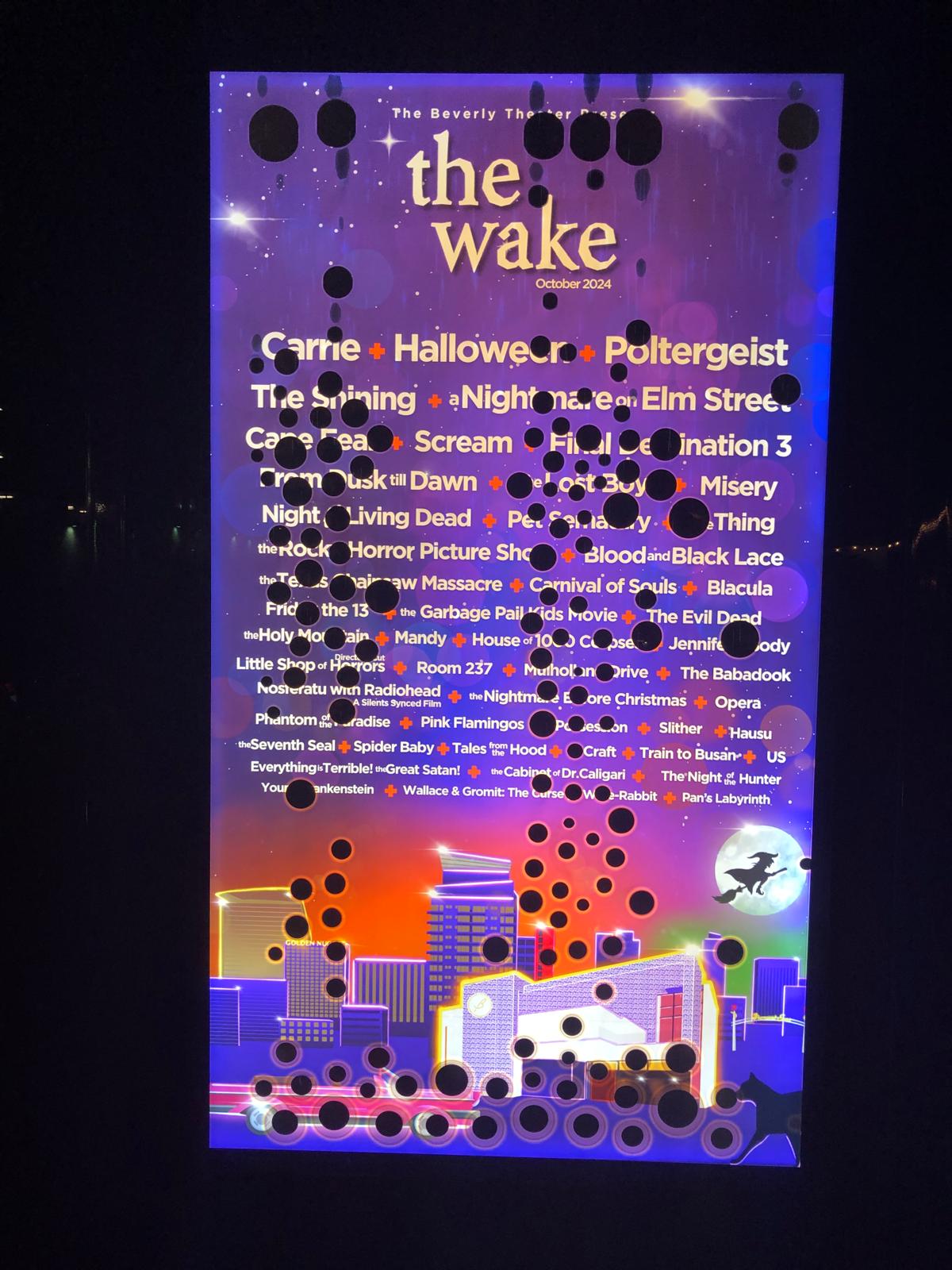
October has arrived, ushering in the season of spooks, frights, and eerie thrills. What better way to celebrate than with a classic horror movie? This October, the Beverly Theater in Las Vegas invites fans of the genre to experience Scream (1996), the film that revolutionized the horror landscape of the 1990s. From October 9 to October 14, cinephiles can revisit this iconic slasher flick as part of the theater’s month-long showcase of classic horror films.
Scream: A Game-Changer for 1990s Horror
When Scream first hit theaters in December 1996, the horror genre was in desperate need of revitalization. The genre had largely grown stagnant after the excesses of slasher films in the 1980s, with franchises like Halloween, Friday the 13th, and A Nightmare on Elm Street churning out sequels that became increasingly formulaic. Horror movies were losing their edge, relying heavily on repetitive tropes that had long lost their ability to scare.
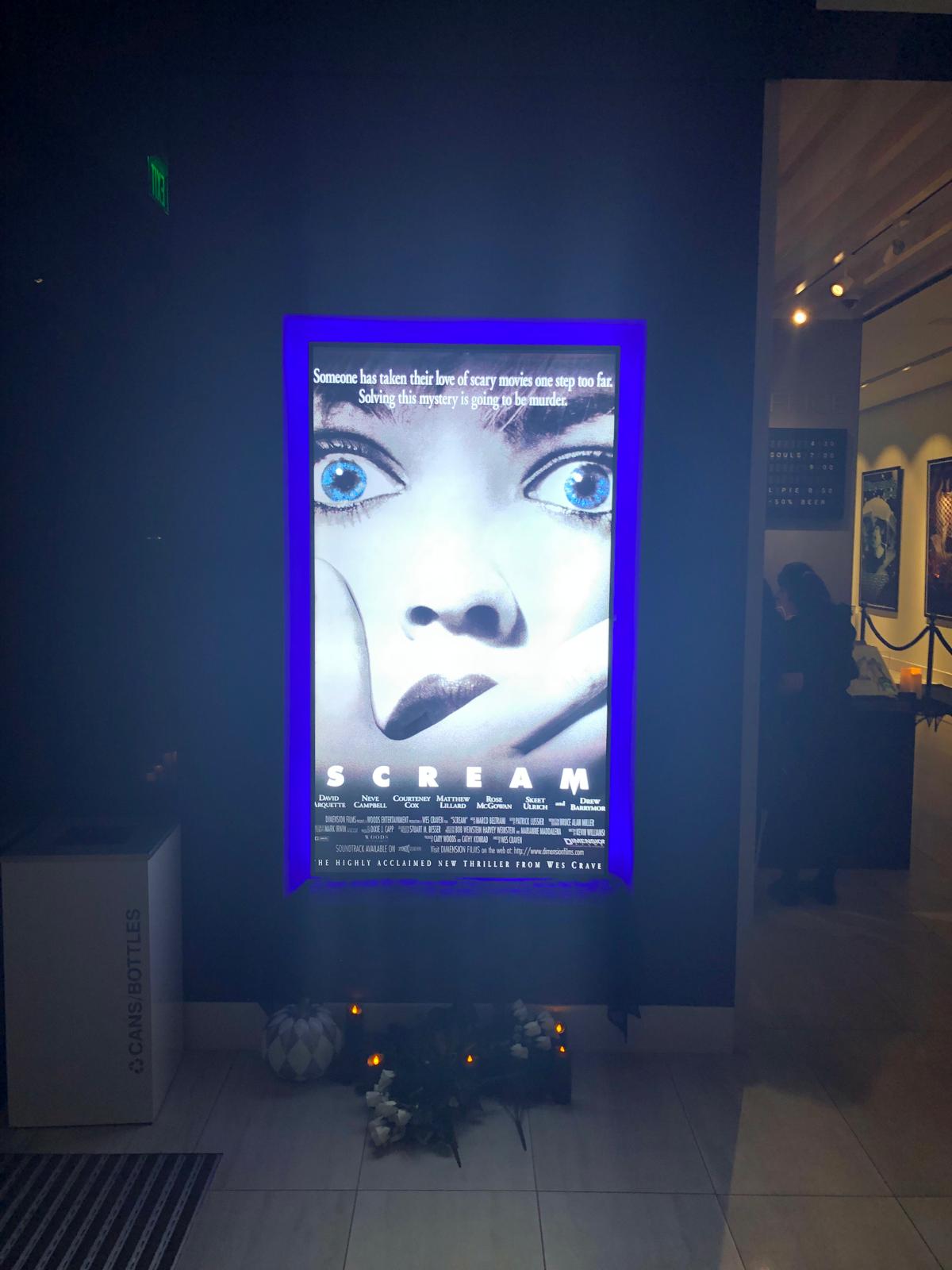
Enter Scream, a film that both honored and subverted the slasher formula. Wes Craven, a master of horror with classics like A Nightmare on Elm Street already under his belt, took this opportunity to blend sharp wit with blood-curdling horror. Scream didn’t just scare audiences—it made them think about why they were scared. The film’s characters were acutely aware of the “rules” of horror films, calling out clichés as they unfolded on-screen, often with tragic results.
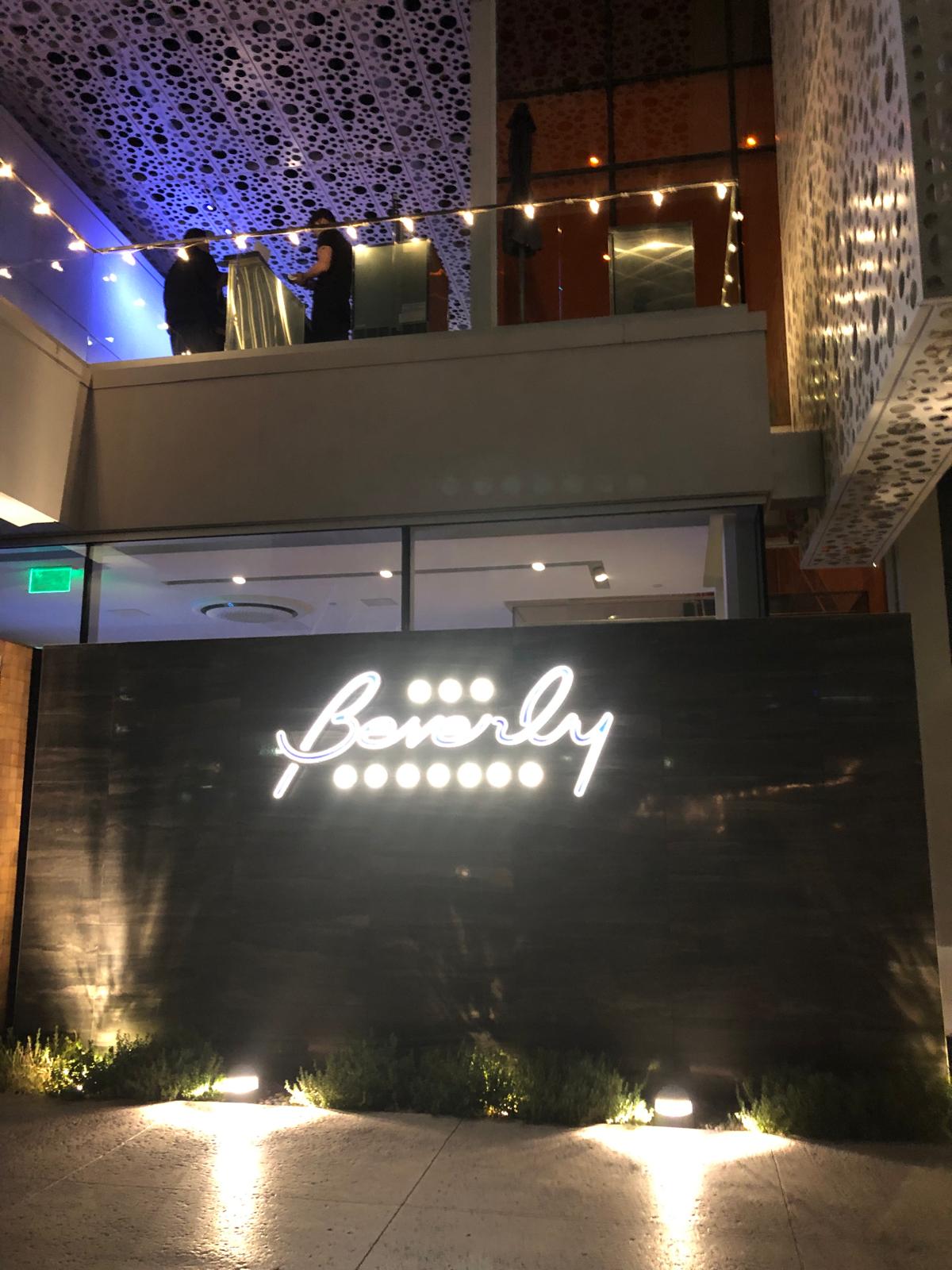
The Beverly Theater has become a beloved venue for film enthusiasts. Originally built in the 1960s, this theater was designed to showcase the latest films and entertain audiences with its vintage charm. Over the years, it has undergone various renovations, but it has retained its classic allure.
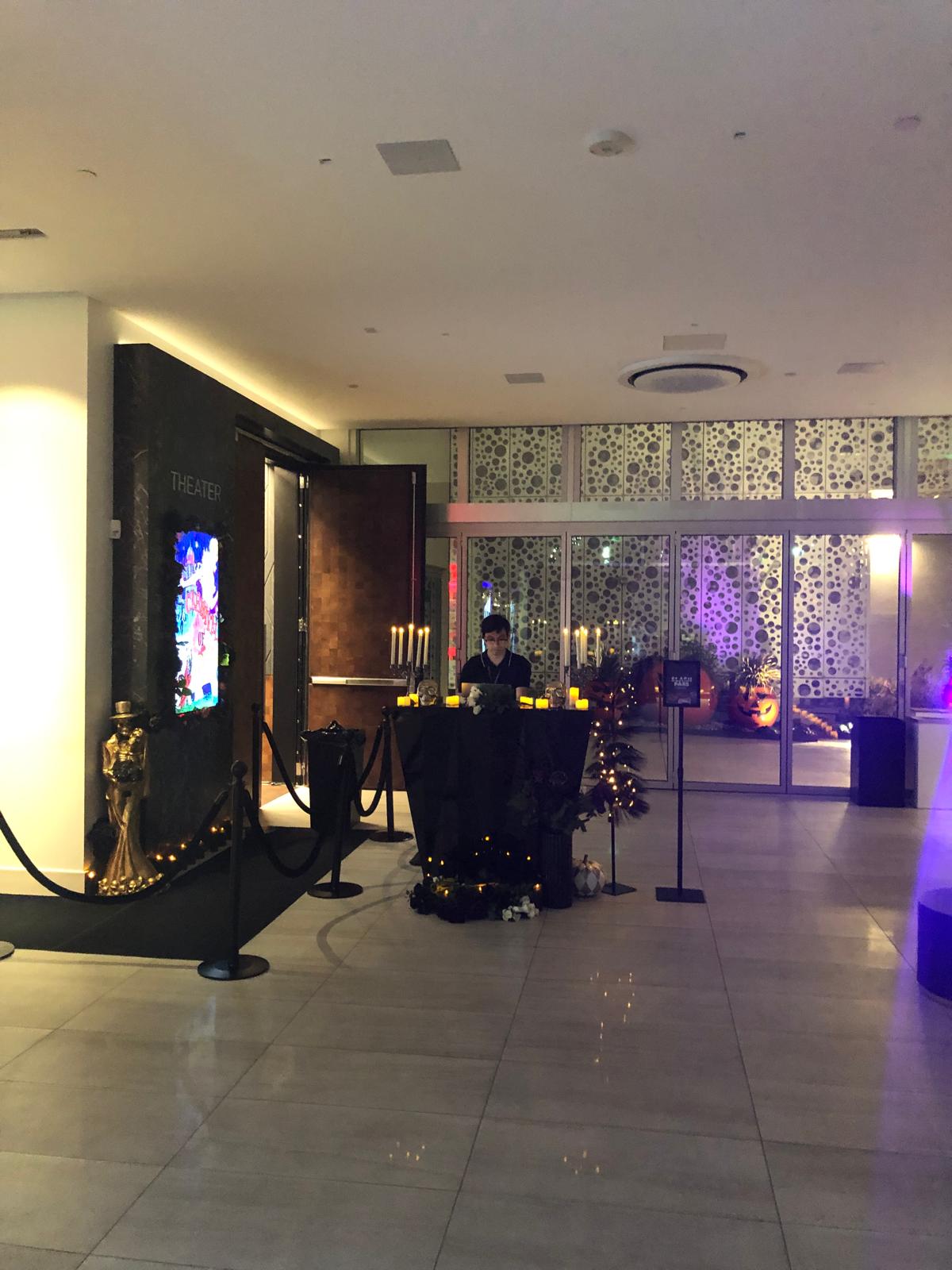
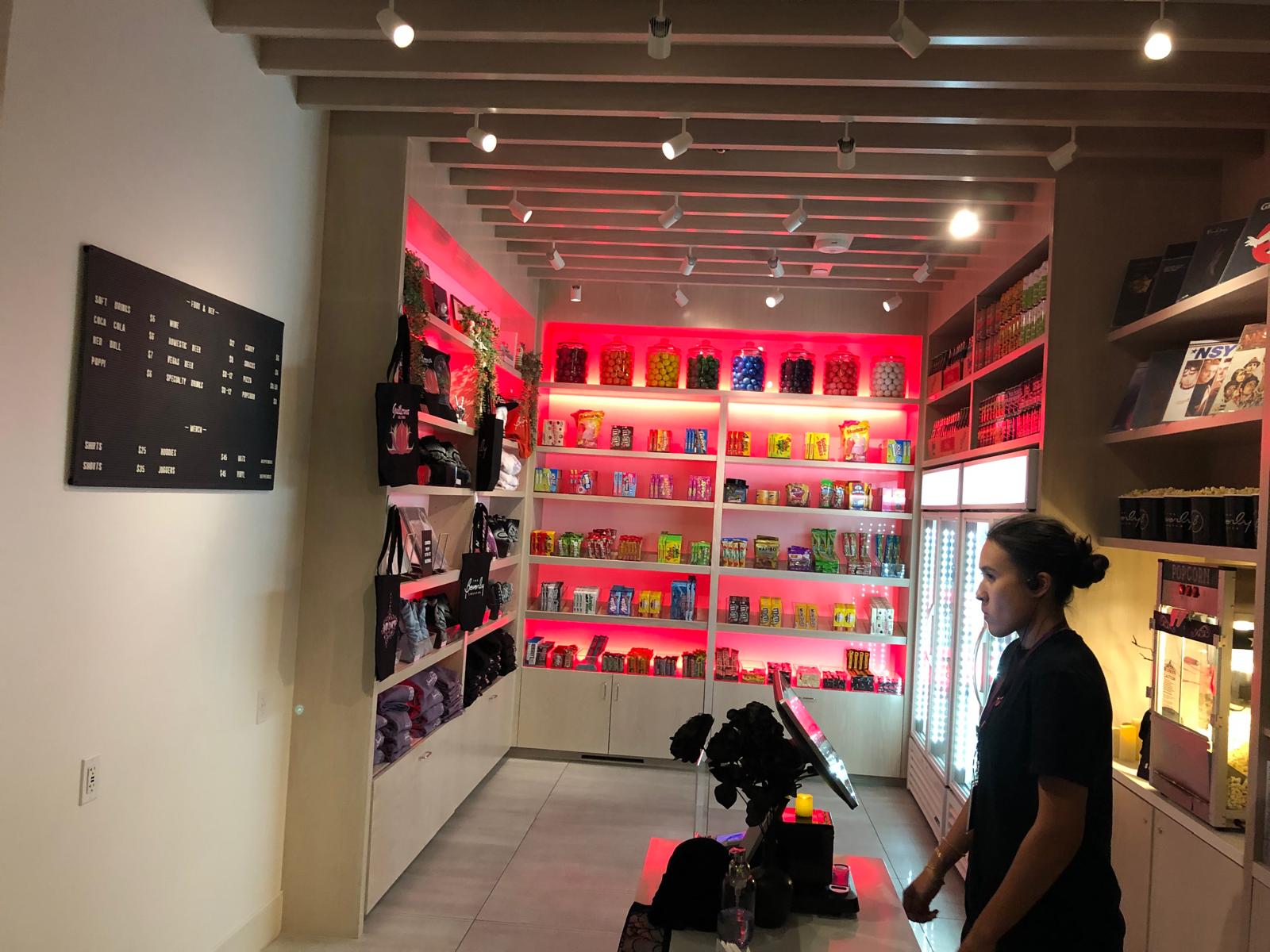
The Beverly Theater prides itself on providing an exceptional viewing experience, featuring state-of-the-art projection and sound systems while maintaining an intimate atmosphere. Its commitment to showcasing classic films, independent features, and cult favorites has made it a cherished destination for movie lovers.
As we dive into Scream, it’s essential to appreciate how this film has secured its place in cinematic history. Directed by Wes Craven and written by Kevin Williamson, Scream was a game changer for the horror genre, breathing new life into a style that had become stale. It garnered both critical acclaim and commercial success, leading to a series of sequels and solidifying its status as a cultural touchstone.
The Revolution of Horror in the 1990s
Scream debuted at a time when horror movies were at a crossroads. The genre had seen countless iterations of slasher films, many of which relied heavily on cliched tropes. The formula was familiar: a group of teenagers isolated in a remote location, a masked killer stalking them one by one, and a final girl to confront the evil. While these elements had become predictable, Scream injected a fresh perspective that both celebrated and mocked the conventions of horror.
One of the film’s most significant contributions was its self-awareness. The characters were acutely aware of the rules of horror movies, often discussing them openly. This meta-commentary allowed Scream to address the audience directly, poking fun at the genre’s clichés while simultaneously revitalizing them. For instance, the characters frequently referenced classic horror films like Halloween and A Nightmare on Elm Street, establishing a shared cultural lexicon that resonated with viewers.
Cellular Phones and Cliché Tropes
One of the most notable aspects of Scream was its clever use of technology. The film premiered at a time when cellular phones were becoming increasingly popular, and the introduction of the mobile phone into the horror genre was both innovative and groundbreaking. The iconic opening scene featuring Drew Barrymore’s character, Casey Becker, showcases this evolution.
As she answers the phone, the tension builds with each question posed by the masked killer. The presence of a cell phone creates an ironic twist, as it symbolizes both security and vulnerability. This layering of meaning adds complexity to the narrative, highlighting how technology can play a crucial role in both saving and endangering lives.
In addition to its commentary on technology, Scream also expertly critiqued the clichés that had long been a staple of horror films. Characters would comment on the importance of not saying “I’ll be right back,” a phrase that often foreshadowed death in slasher films. By actively engaging with these tropes, Scream invited the audience to reexamine their expectations of horror and the familiar patterns that dictated the genre.
Paying Tribute to Classic Horror Movies
Scream is a love letter to horror, brimming with references and nods to classic films. The characters’ conversations about horror movie rules and their favorite killers create a rich tapestry of homage. From Psycho to The Exorcist, the film pays tribute to the very films that inspired it, establishing a lineage that connects the new generation of horror to its roots.
This meta-narrative is further exemplified by the character of Randy Meeks, played by Jamie Kennedy, who serves as the film’s resident horror expert. His passionate monologues about the dos and don’ts of surviving a horror movie encapsulate the film’s self-referential nature. For instance, Randy’s rules include the necessity of not having sex, not drinking, and never saying “I’ll be right back,” all of which serve as a humorous yet poignant commentary on genre conventions.
Moreover, the film’s iconic killer, Ghostface, draws inspiration from previous horror villains while crafting a unique identity. Ghostface is not merely a masked murderer; he embodies the tropes of horror while subverting them, further reinforcing the film’s themes of self-awareness and critique.
Scream’s Enduring Legacy
Since its release, Scream has become a touchstone for horror fans, often appearing on numerous top ten lists of the genre. Its impact on the horror landscape is undeniable; it not only revitalized the slasher genre but also paved the way for a new wave of horror films that embraced self-referentiality.
Films like I Know What You Did Last Summer and The Faculty followed in Scream’s footsteps, adopting similar meta-commentary and self-awareness. However, none quite captured the same magic or blend of humor and horror as Craven’s original masterpiece. Scream stands as a testament to the idea that horror can be both entertaining and thought-provoking.
The film’s cultural significance extends beyond its immediate impact. It sparked discussions about the evolution of horror and the ways in which it reflects societal fears and anxieties. In a world where horror movies had often relied on shock value, Scream challenged the genre to be smarter and more sophisticated.
The Beverly Theater Experience
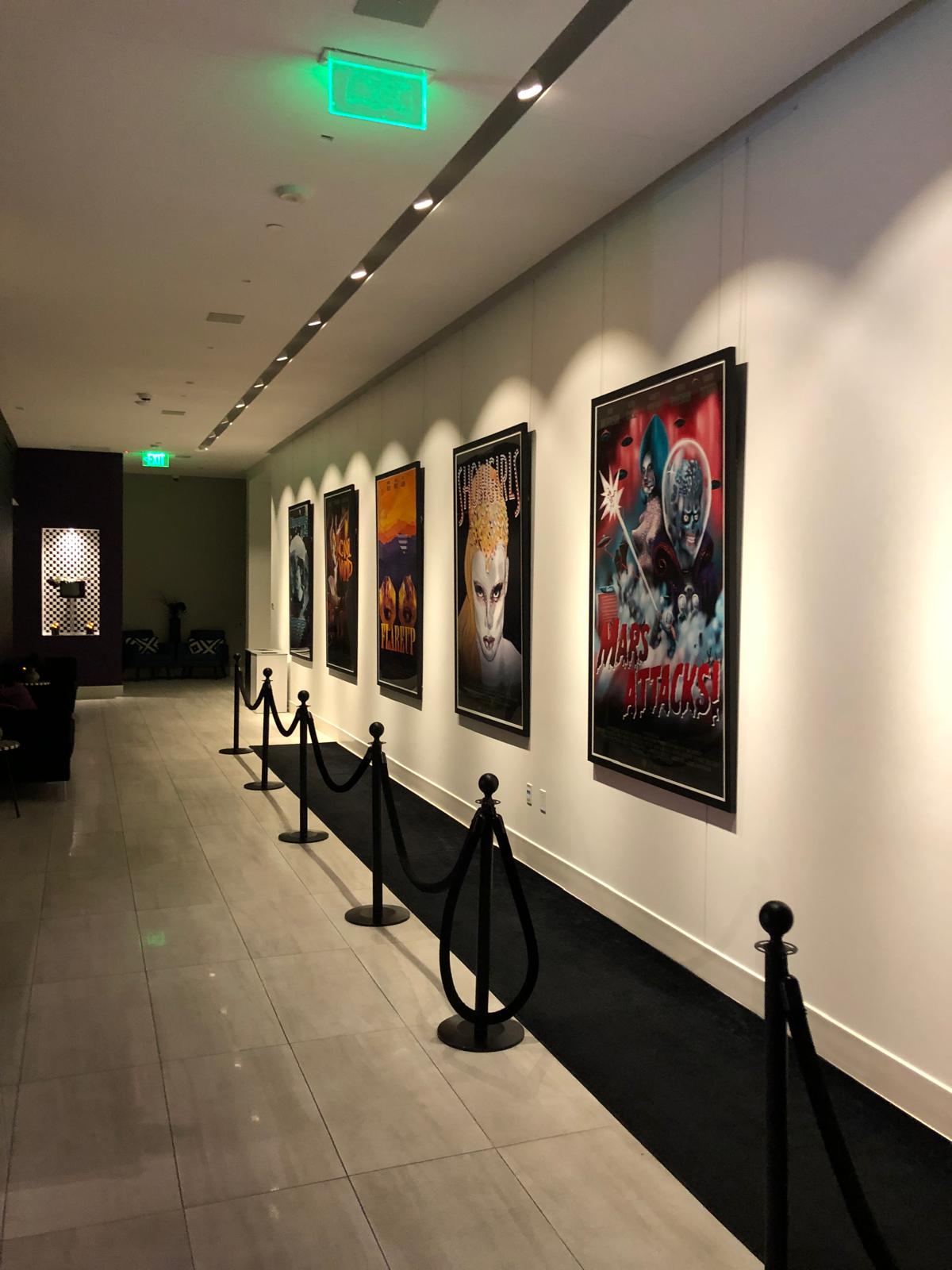
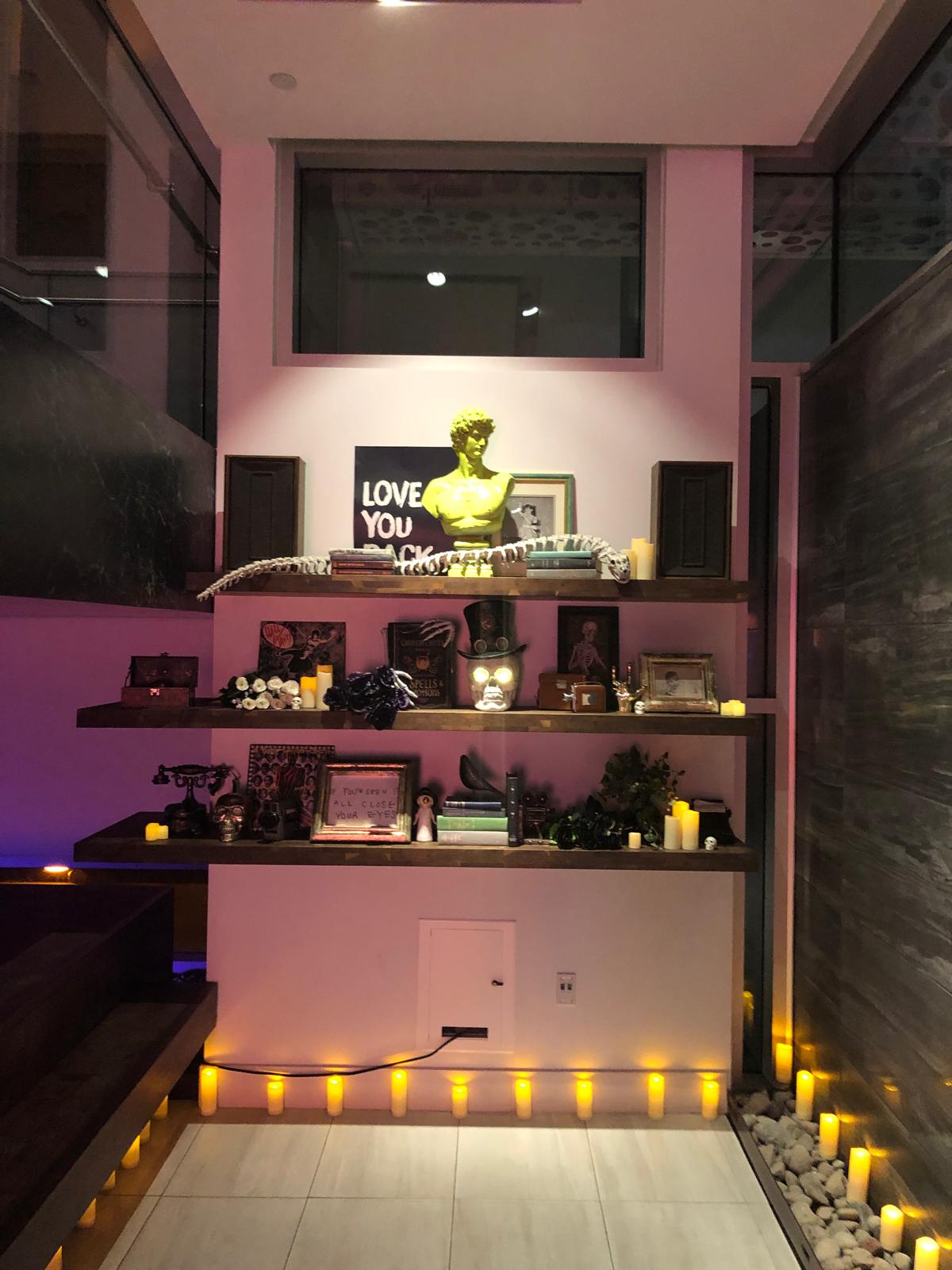
At the Beverly Theater, the showing of Scream offers more than just a film screening; it’s a celebration of horror culture. The theater’s commitment to showcasing classic horror movies throughout October makes it a perfect destination for those looking to immerse themselves in the spirit of the season. With its cozy atmosphere and devoted audience, watching Scream at the Beverly will evoke nostalgia and thrill for fans old and new.
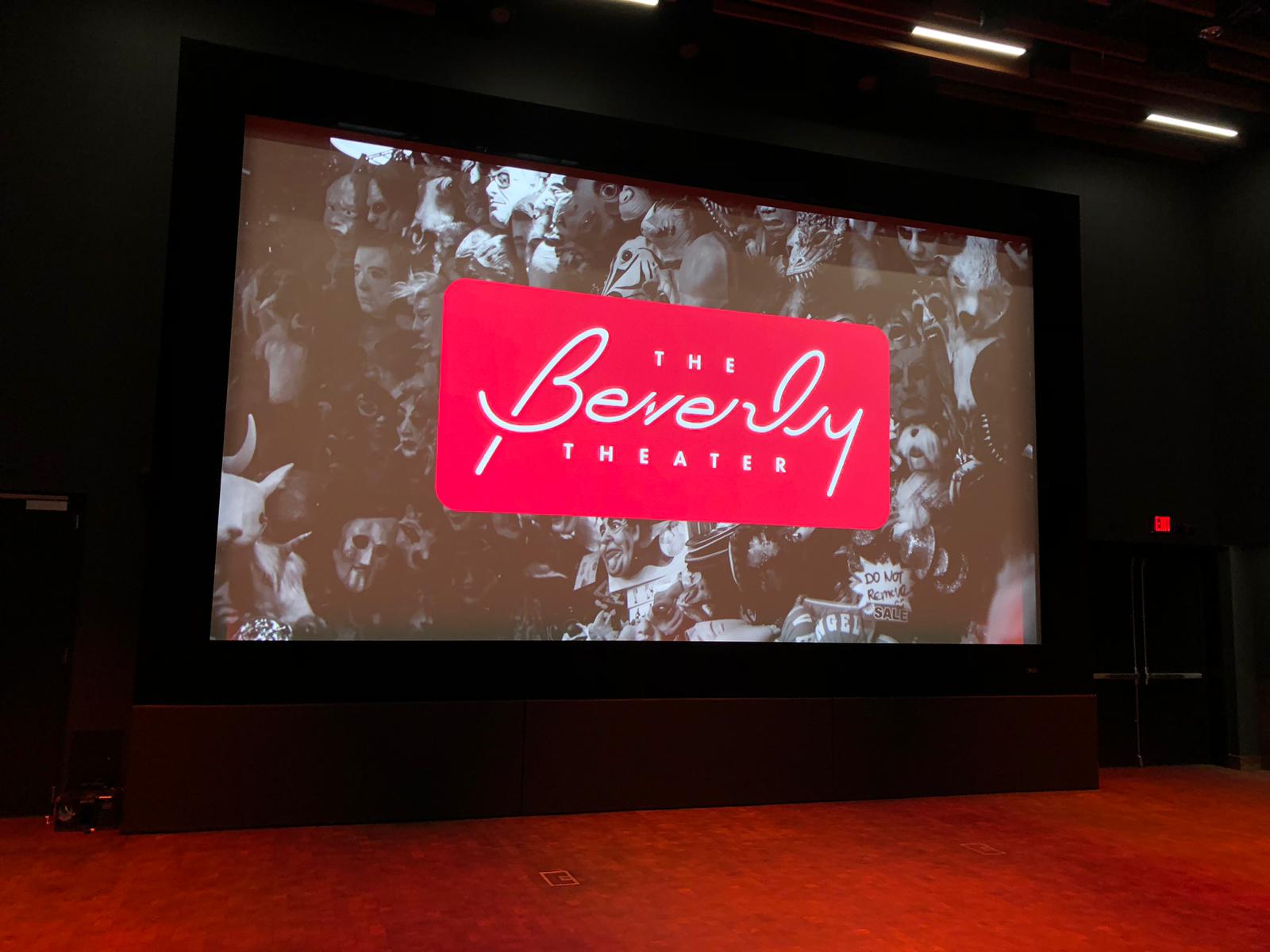
The theater’s website, thebeverlytheater.com, provides easy access to tickets and information about the upcoming screenings of classic horror films throughout the month. Whether you’re a lifelong fan of Scream or experiencing it for the first time, the Beverly Theater offers a unique setting that enhances the viewing experience.
Conclusion: The Ultimate Halloween Experience
As Scream returns to the big screen, fans have an opportunity to revisit a film that reshaped the horror genre in ways that continue to resonate today. The Beverly Theater stands as a fitting backdrop for this classic, providing an intimate setting where audiences can engage with the film’s layers of humor and horror. With a month filled with classic horror offerings, October promises to be a thrilling experience for movie lovers.
In a world where horror often strays into the territory of the predictable, Scream remains a shining example of how creativity and self-awareness can reinvigorate a genre. Whether you’re a fan of the meta-humor, the clever commentary on horror clichés, or simply enjoy a good scare, the showing of Scream at the Beverly Theater is a must-see this October.

Visit the Beverly Theater for more information on showtimes and upcoming horror screenings.
So grab your popcorn, settle into your seat, and prepare for a chilling night at the movies that honors the legacy of horror while delivering thrills for the modern audience. Scream is not just a film; it’s a cultural phenomenon that will forever hold a place in the hearts of horror fans.

