
By: James E. Green
In the world of high-end knives, legends are not born overnight. They are forged through decades of trial, error, obsession, and an uncompromising devotion to doing things better than anyone else. Few names embody that philosophy more completely than Hawk Knife Designs. Revered by collectors, respected by engineers, and quietly admired by craftsmen across the globe, Hawk Knife Designs represents the rare convergence of mechanical genius, functional art, and deeply personal legacy.
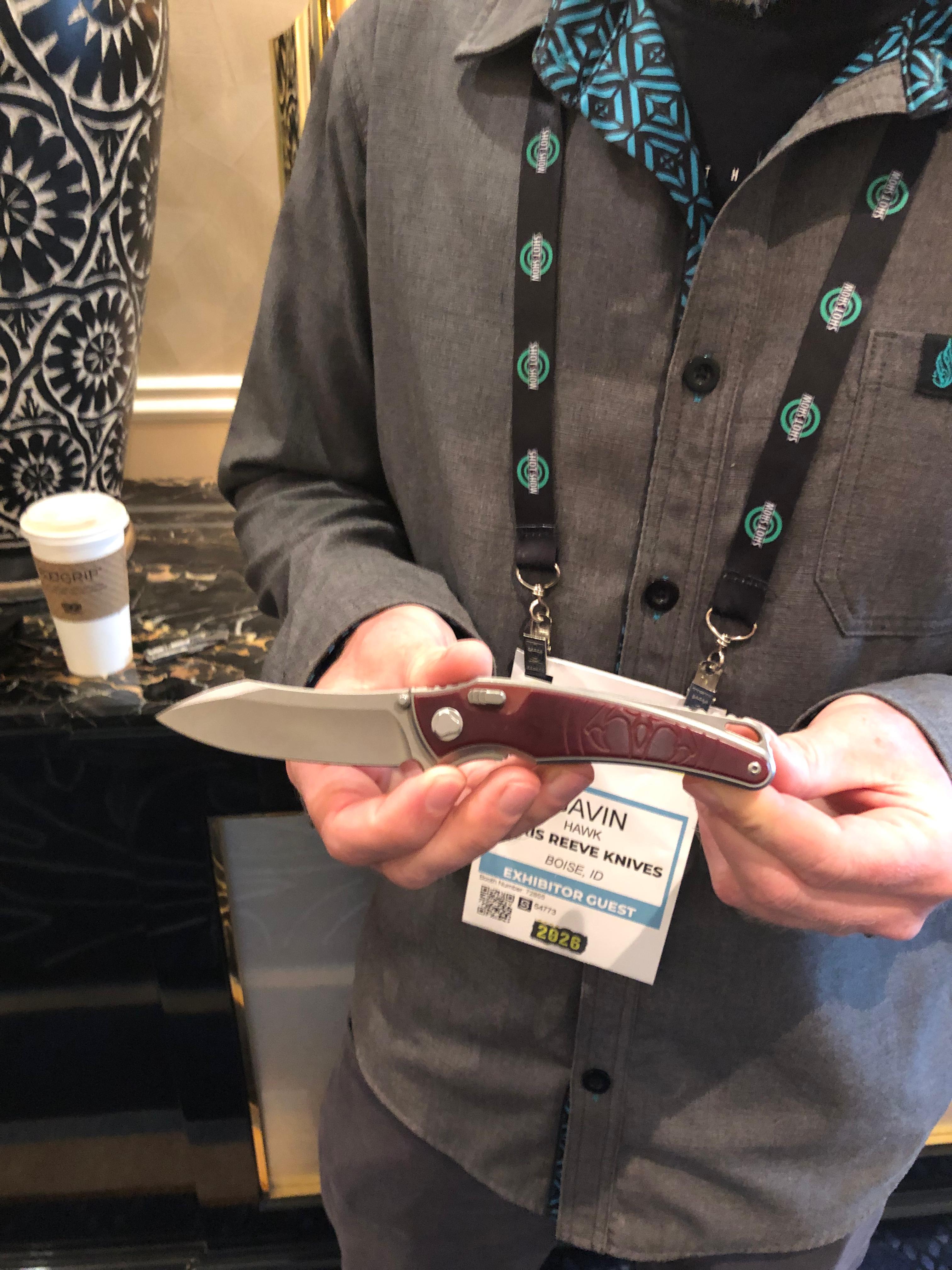
At the center of this story are Grant Hawk and Gavin Hawk—father and son, mentor and protégé—whose work has fundamentally reshaped how modern folding knives and out-the-front automatics are designed, built, and understood. Their knives are not merely tools; they are mechanical statements. And in recent years, their influence has reached beyond the knife community into popular culture, charity, and cinematic history through the iconic Deadlock Model C and its appearance in John Wick: Chapter 4.
This is not just the story of a knife maker. It is the story of innovation, heritage, and the relentless pursuit of perfection.
Humble Beginnings: Where Innovation Took Root
Hawk Knife Designs did not emerge from a polished design studio or a Silicon Valley startup. Its origins lie in rugged practicality—shaped by experience, necessity, and curiosity. Grant Hawk grew up in Idaho, surrounded by mountains, machinery, and a culture that valued self-reliance. Before becoming one of the most respected knife designers in the world, Grant worked as a miner and fabricator, solving real problems with his hands and his mind.
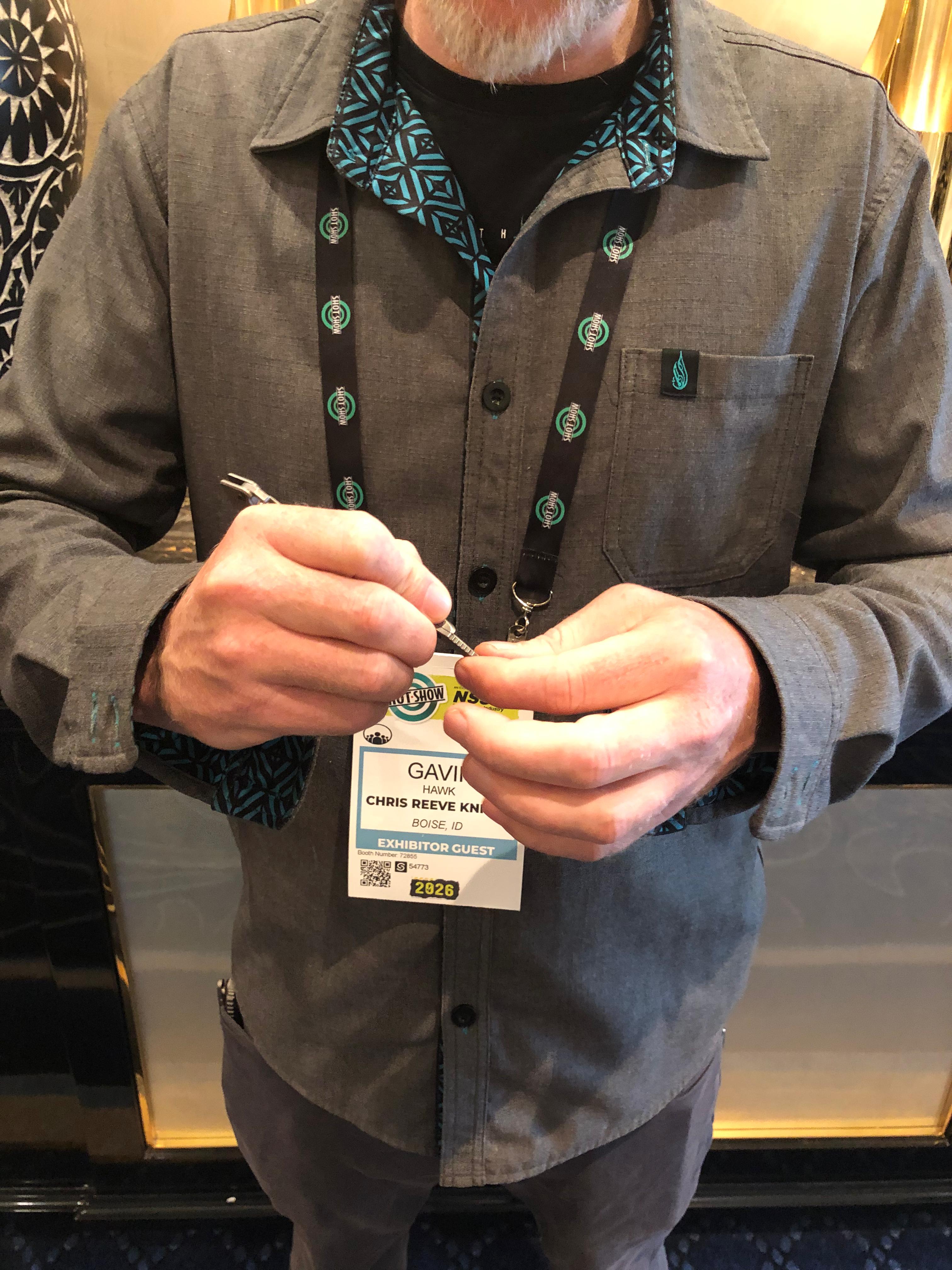
That background shaped everything that followed. Grant did not approach knives as fashion accessories or collectibles; he approached them as mechanical systems. To him, a knife was a tool first—something that needed to function reliably under pressure, in dirt, cold, and real-world conditions. When something didn’t work the way it should, he didn’t accept it as “good enough.” He redesigned it.

His earliest knife projects reflected this mindset. Rather than following prevailing trends, Grant focused on improving locking mechanisms, ergonomics, and durability. Even in those early years, it was clear that he wasn’t content refining existing ideas—he wanted to invent new ones.
The Father-Son Dynamic: Grant and Gavin Hawk
What transformed Hawk Knife Designs from an individual pursuit into a lasting legacy was the arrival of Gavin Hawk. Growing up around his father’s workshop, Gavin was immersed in engineering and design from an early age. He learned not just how knives were made, but why they were made a certain way.
As Gavin matured, his skills began to complement Grant’s experience. Where Grant brought decades of mechanical intuition, Gavin brought fresh perspectives, modern manufacturing knowledge, and an eye for refinement. Together, they formed a rare creative partnership—one rooted in trust, mutual respect, and a shared obsession with perfection.
Their collaboration became known simply as G&G Hawk, a mark that would soon be associated with some of the most innovative knife designs ever produced.
Early Breakthroughs: Redefining Knife Locks
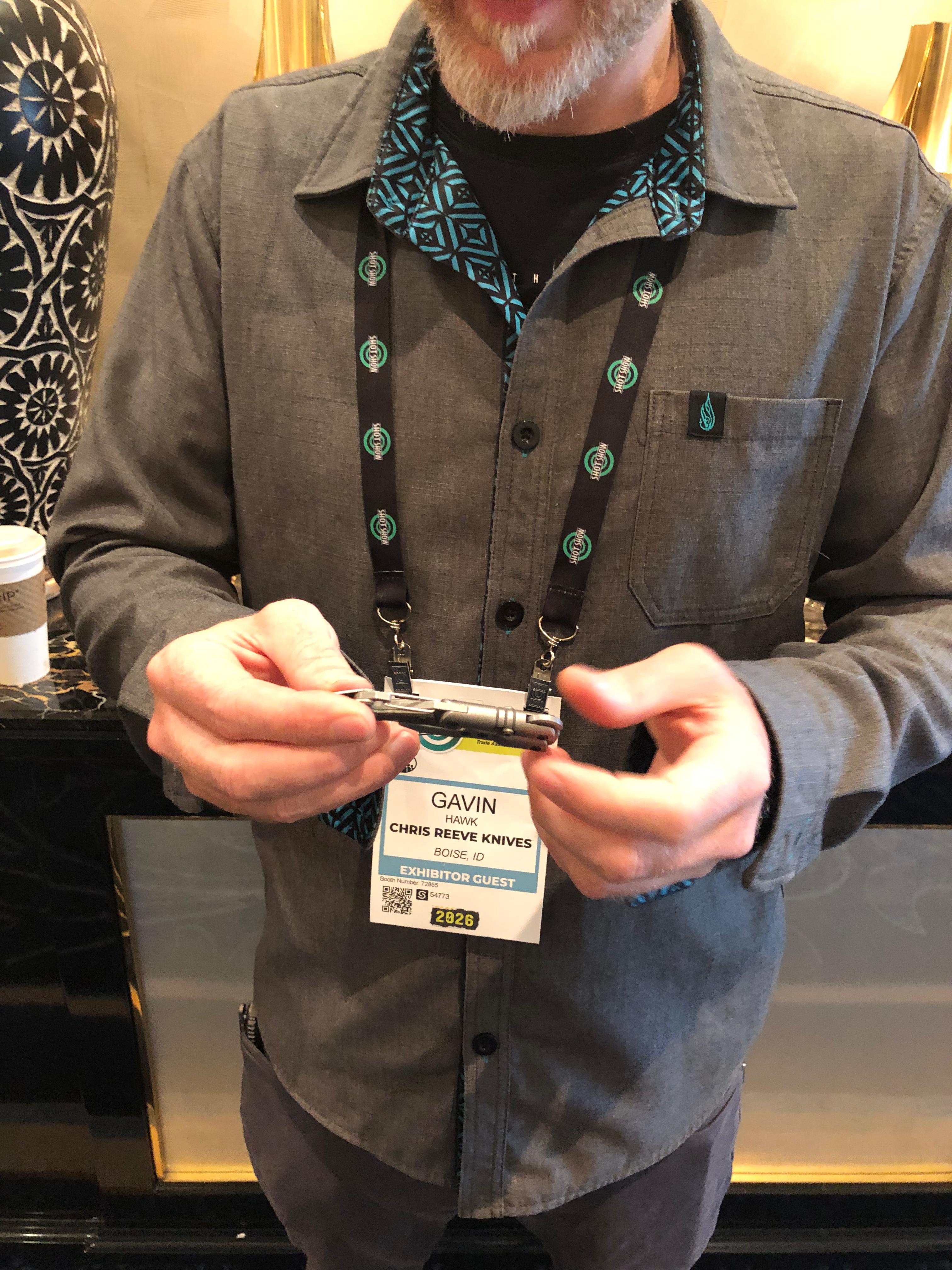
Long before the Deadlock existed, Hawk Knife Designs had already made waves with innovative locking mechanisms that challenged industry norms. One of the earliest and most influential was the D.O.G. Lock, a rugged system designed to function reliably in harsh conditions where dirt and debris could cause traditional locks to fail.
The D.O.G. Lock wasn’t flashy—it was practical, strong, and nearly bombproof. Its success caught the attention of major manufacturers, leading to licensing agreements that brought Hawk designs to a wider audience. This marked an important moment: the Hawks had proven that their ideas weren’t just clever—they were commercially viable and genuinely useful.
As their reputation grew, so did opportunities to collaborate with some of the most respected names in the knife industry. These partnerships allowed the Hawks to introduce their mechanical concepts to a broader market while maintaining their core identity as innovators.
G&G Hawk Knife Designs: More Than a Name
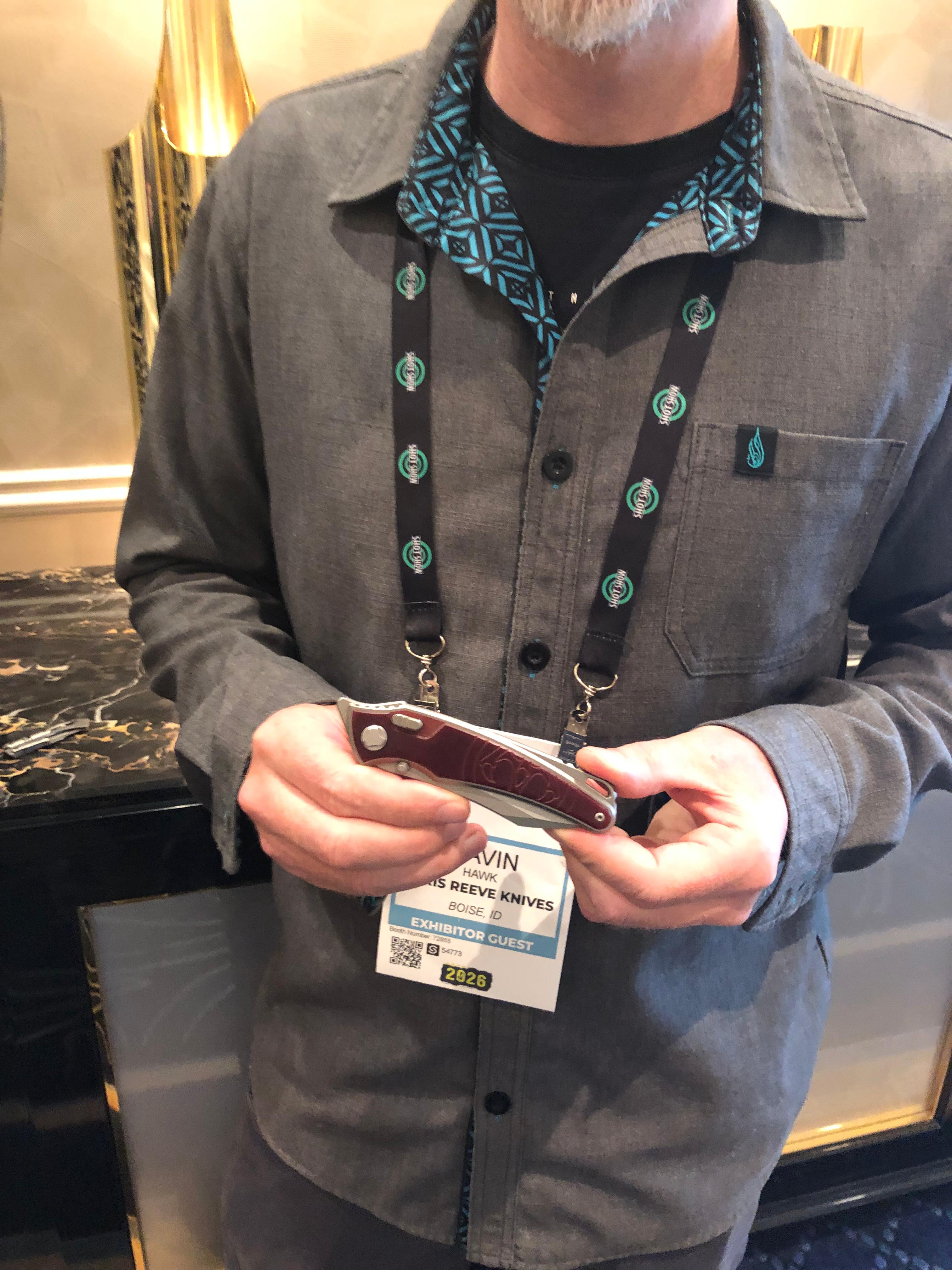
The designation G&G Hawk carries significant weight among collectors. It represents knives that bear the direct influence of both Grant and Gavin—designs where mechanical ingenuity and aesthetic refinement coexist seamlessly.
G&G Hawk knives are known for their clean lines, unconventional mechanisms, and meticulous attention to detail. Every curve, pivot, and lock interface serves a purpose. These knives are not mass-produced; they are carefully considered works that reflect decades of experience and experimentation.
For collectors, owning a G&G Hawk knife isn’t just about performance—it’s about owning a piece of design history.
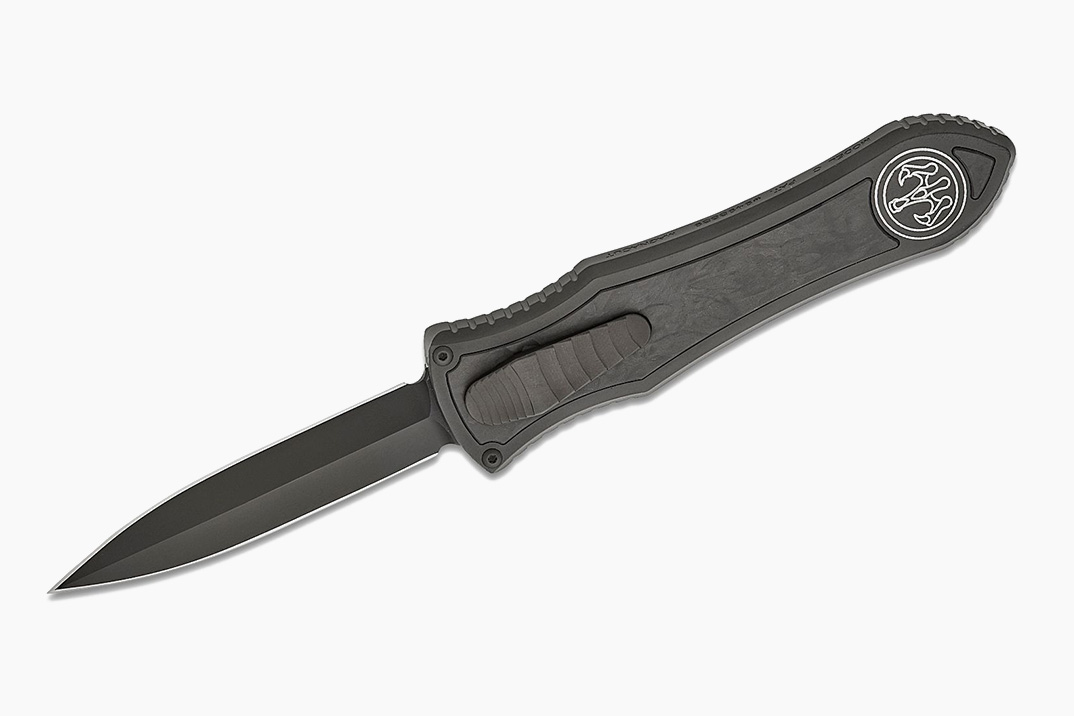
The OTF Challenge: Why Blade Play Was the Enemy
To understand the significance of the Deadlock, one must first understand the limitations of traditional out-the-front (OTF) knives. For decades, OTF automatics were admired for their rapid deployment and compact design, but they carried a notorious flaw: blade play.
Blade play refers to the slight movement of a blade even when fully deployed and locked. In most OTF designs, this movement was considered unavoidable—a byproduct of the internal mechanisms required to allow the blade to retract and extend.
Grant and Gavin Hawk refused to accept this limitation.
To them, blade play wasn’t just an inconvenience—it was a design failure waiting to be solved.
The Deadlock Concept: Starting from Zero
Rather than modifying existing OTF systems, the Hawks started from scratch. Their goal was ambitious: create an OTF knife with zero blade play, locked as solidly as a fixed blade while retaining full automatic functionality.
After years of prototyping, testing, and refinement, the solution emerged: the Deadlock mechanism.
At the heart of the Deadlock is a patented system that uses a conical locking interface and precision-machined components to eliminate movement entirely when the blade is deployed. Instead of relying on spring tension alone, the blade is mechanically locked into place with absolute rigidity.
The result was revolutionary.
For the first time, an OTF knife existed that felt immovable in the hand—no wiggle, no flex, no compromise.
See the Deadlock in Motion: Precision You Can Watch
For all the discussion of tolerances, lock geometry, and mechanical theory, there is a moment when words simply fall short. The Deadlock is one of those rare knives that must be seen in motion to be fully appreciated.
Midway through the story of Hawk Knife Designs, it becomes clear why so many collectors describe their first encounter with a Deadlock as eye-opening. The deployment is not violent or springy. It is controlled. The blade glides forward with mechanical authority, stops with a definitive, almost surgical halt, and locks into place with zero hesitation. There is no rattle, no secondary movement, no sense of compromise.
To truly understand what sets this mechanism apart, watching it operate is essential.
A detailed video breakdown of the knife can be viewed here: https://www.youtube.com/watch?v=pSBAoQMOOxA
In the video, the Deadlock’s defining characteristics become immediately apparent. The absence of blade play—long considered unavoidable in out-the-front designs—is unmistakable. The camera captures the way the blade seats itself solidly into the handle, demonstrating the Hawks’ patented locking geometry in real time. Even when pressure is applied, the blade remains unwavering, reinforcing why the Deadlock is often described as feeling closer to a fixed blade than an automatic.
What the video also highlights is the intentionality behind every movement. This is not a knife built for theatrics. It is built for certainty. Each deployment reinforces the idea that the Deadlock is not merely an evolution of the OTF—it is a reinvention.
For collectors and enthusiasts alike, this visual proof bridges the gap between theory and reality. It answers the lingering question every skeptic eventually asks: Is it really that solid? The footage leaves little room for doubt.
The Deadlock Model C: A Modern Masterpiece
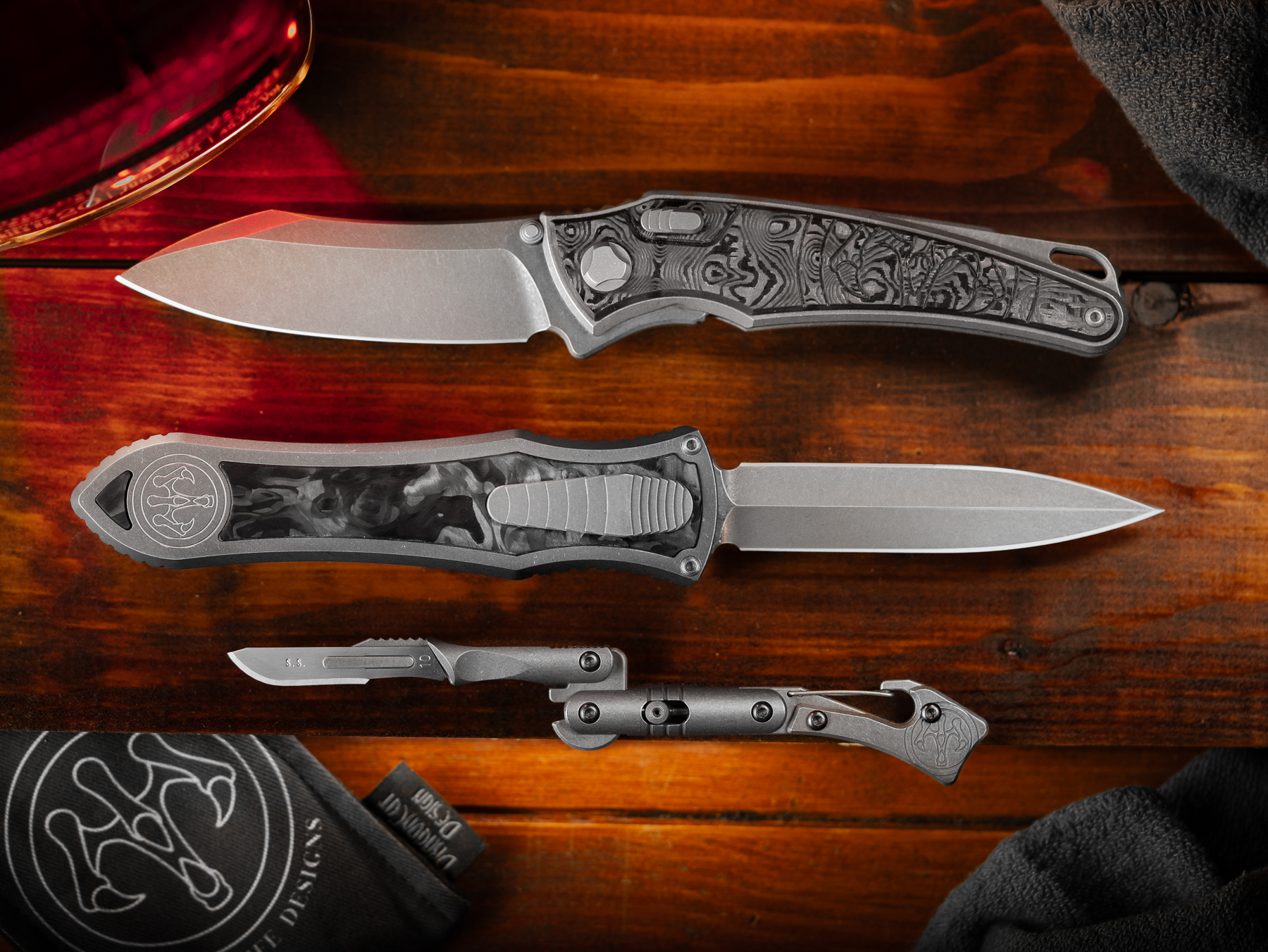
The Model C Deadlock refined the system into a more mature and collectible form. With careful machining, balanced ergonomics, and reliable performance, it became the version most enthusiasts associate with the Hawk name today.
Public awareness expanded further when a Deadlock knife appeared in John Wick: Chapter 4. While the film showcased many tools and weapons, the inclusion of the Deadlock caught the attention of knife enthusiasts who recognized the mechanism behind the brief appearance.
For many viewers, it was simply another stylish cinematic tool. For knife collectors, however, it was notable to see a precision-engineered custom mechanism appear in a major film production.
Despite the added exposure, the knives themselves remain limited and largely collector-focused, maintaining the brand’s low-volume, craftsmanship-driven identity.
Hollywood Recognition: John Wick Chapter 4
When the Deadlock Model C appeared in John Wick: Chapter 4, it marked a rare moment where elite knife craftsmanship intersected with mainstream cinema. The John Wick franchise is known for its obsessive attention to weapon detail, favoring real, functional tools over generic props.
The inclusion of the Deadlock wasn’t accidental—it was a recognition of its authenticity, reliability, and visual presence.
To commemorate this cinematic milestone, Hawk Knife Designs released a limited John Wick 4 Collector’s Edition Deadlock Model C. This special release combined premium materials, unique finishes, and an elaborate presentation package inspired by the film’s universe.
The collector’s set quickly became one of the most sought-after modern knife releases, appealing equally to knife enthusiasts and film collectors.
The Holiday Charity Auction: Craftsmanship with Purpose
Beyond product releases, Hawk Knife Designs has periodically supported charitable causes through special auctions and limited pieces. During recent holiday seasons, collectors have had opportunities to bid on unique configurations, with proceeds benefiting charitable initiatives.
These events tend to draw strong community participation, reflecting how knife collecting communities often rally around shared causes. Limited auction pieces frequently carry special finishes or configurations, but the emphasis remains on contribution rather than promotion.
For many participants, acquiring such a piece is secondary to supporting charitable work while celebrating craftsmanship.
Engineering That Speaks for Itself
What ultimately defines Hawk Knife Designs is not marketing language or bold claims, but mechanical execution. Enthusiasts value the knives because they function well, feel solid, and demonstrate thoughtful engineering.
The Deadlock mechanism remains a prime example: a practical solution to a known problem, implemented through careful design rather than spectacle. Its success illustrates how incremental progress can reshape expectations within a niche field.
Rather than positioning the Hawks as larger-than-life figures, it may be more accurate to view them as engineers and craftsmen committed to solving mechanical puzzles.
Looking Forward
Knife design continues to evolve, influenced by new materials, manufacturing techniques, and user expectations. Hawk Knife Designs remains part of that conversation, continuing to explore mechanisms and refinements without rushing releases.
Collectors and enthusiasts will likely continue watching future developments with interest, not for dramatic reinvention, but for thoughtful improvements that quietly move the craft forward.
In the end, the Hawk story is less about individual acclaim and more about persistence, collaboration, and engineering curiosity. Through decades of experimentation and refinement, their work has contributed to the broader landscape of knife design.
And in a field where mechanical function ultimately matters most, that contribution speaks clearly on its own.
 Sin City Press